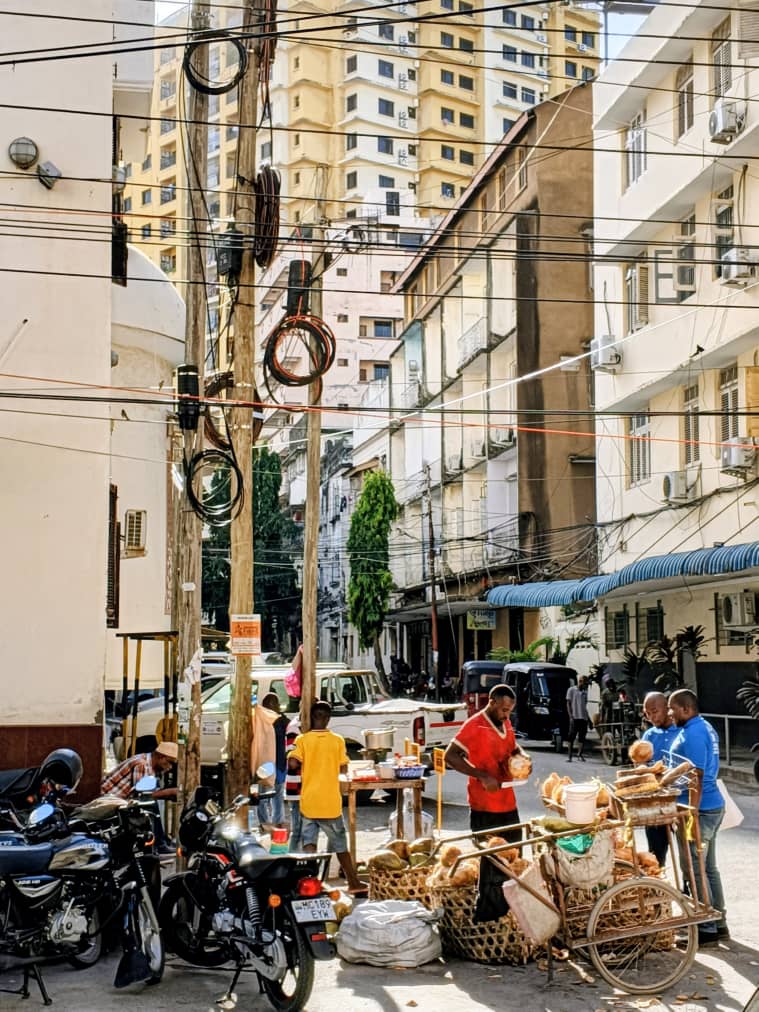
In Tanzania, around 65 million people call the country home. About seven million of them are concentrated in Dar es Salaam—a city that is constantly growing, pulsing, and full of promise. Not the political capital, but the economic heart of the nation. But what do these numbers really mean?
“The people come here from all over the country—with dreams, hopes, and the expectation of making money,” says Ferdinand as he navigates his bicycle through the dense traffic. He is a guide with the “Dar Bike Reality Tour.” For many, Dar es Salaam represents opportunity: wealth, possibility, a better life.
The name of the city reflects that aspiration. Dar es Salaam—“House of Peace,” derived from Arabic. A place of hope. And at the same time, a place of harsh realities.
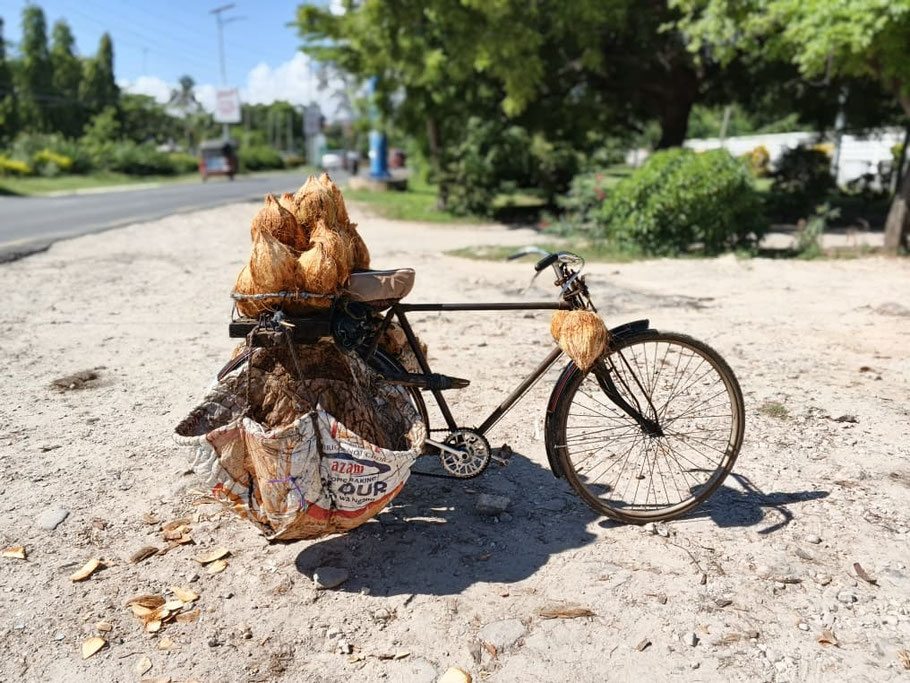
Because where millions search for opportunity, competition is everywhere. There is work—but even more people looking for it. To succeed here, you need ideas. It’s no coincidence that the city has earned a second name: “Bongo City”—the city of brains. To survive here, you have to think, improvise, and invent.
Mohammad (name changed) has done exactly that. His café fits into two hands. Using wire and steel, he built a construction that holds a coffee pot over glowing charcoal, keeping it hot for up to ten hours. The pot itself tells a story: once too small, he cut it open, expanded it, and welded it back together. Today, it holds ten liters—enough for about 100 cups of strong Tanzanian Arabica coffee.
In his other hand, he carries a bucket filled with homemade peanut toffee bars. Compensating for the missing milk and sugar (if needed).

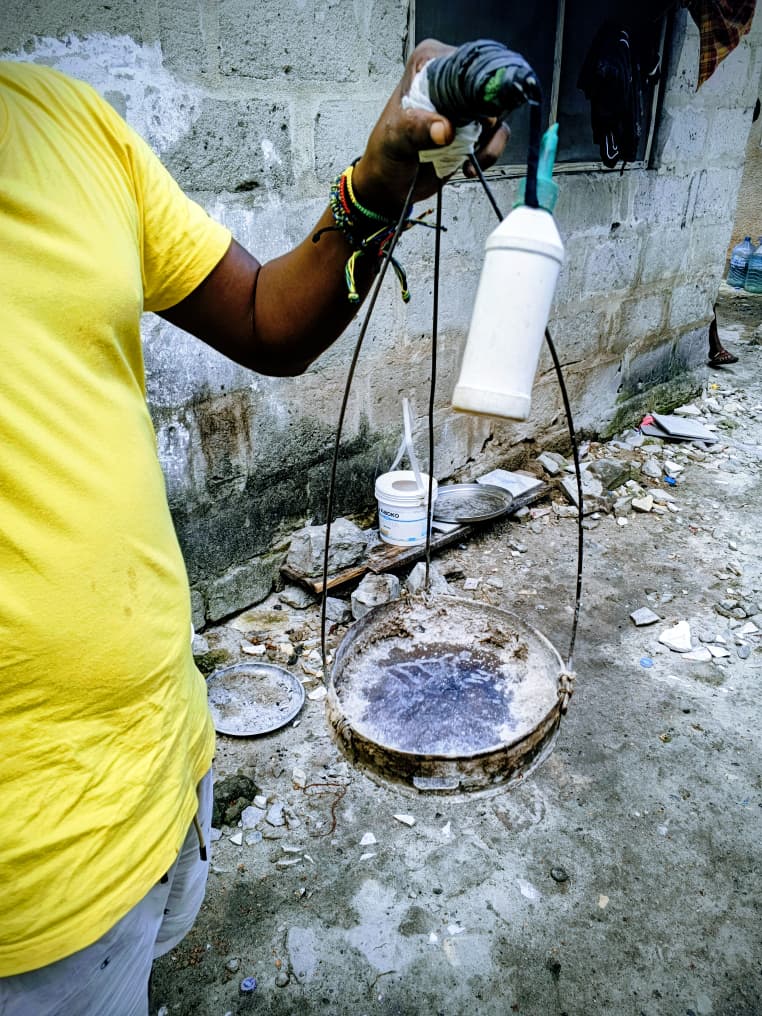
Instead, customers get something sweet on the side—practical, affordable, and ingenious. Over time, this combination has become a staple street snack in Dar.
Mamud (name changed) also sees opportunity where others see waste. Fabric scraps from tailoring shops—worthless to most—are his raw material. He collects, sorts, and transforms them into soft bath mats and rugs. What others throw away becomes his livelihood.
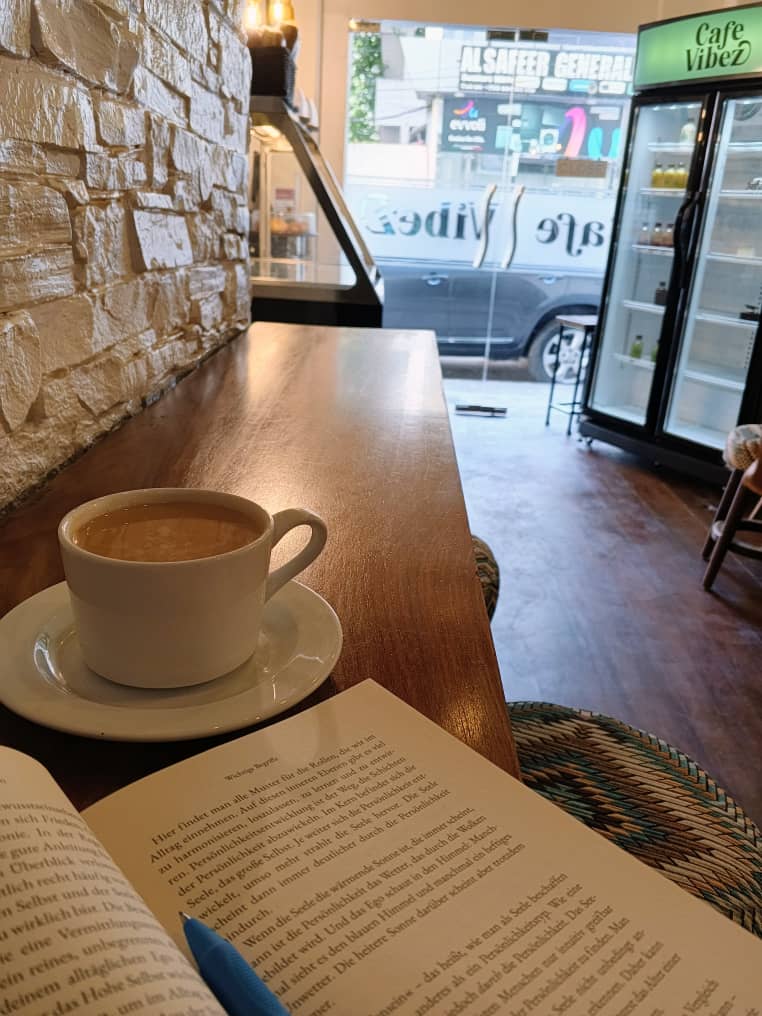
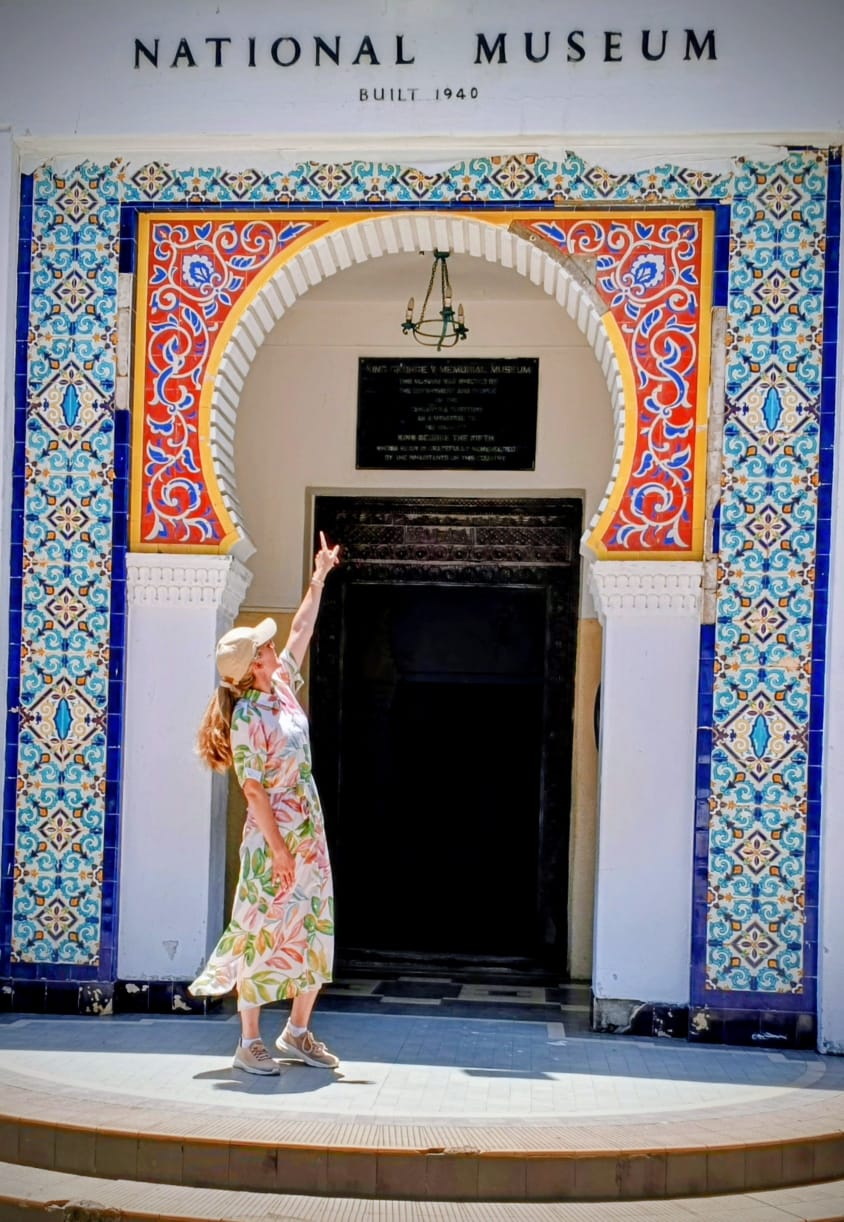
A few neighborhoods away, in areas like Mikocheni or Masaki, another form of entrepreneurship emerges. Here, second-hand shops are turned into small boutiques.
While donated clothes from Europe arrive at the port in tightly compressed, unsorted bales and are sold cheaply at local markets, thes create order out of chaos. Shop owners scour the bustling markets early in the morning, searching for the best pieces. They wash, iron, and carefully arrange them. Suddenly, clothes hang neatly on racks, shoes are paired and displayed. A touch of retail experience—right in the middle of Dar. The price: slightly higher. The comfort: significantly greater.
And then, amidst all these stories of ambition and ingenuity, there is a moment that grounds everything: a simple breakfast.
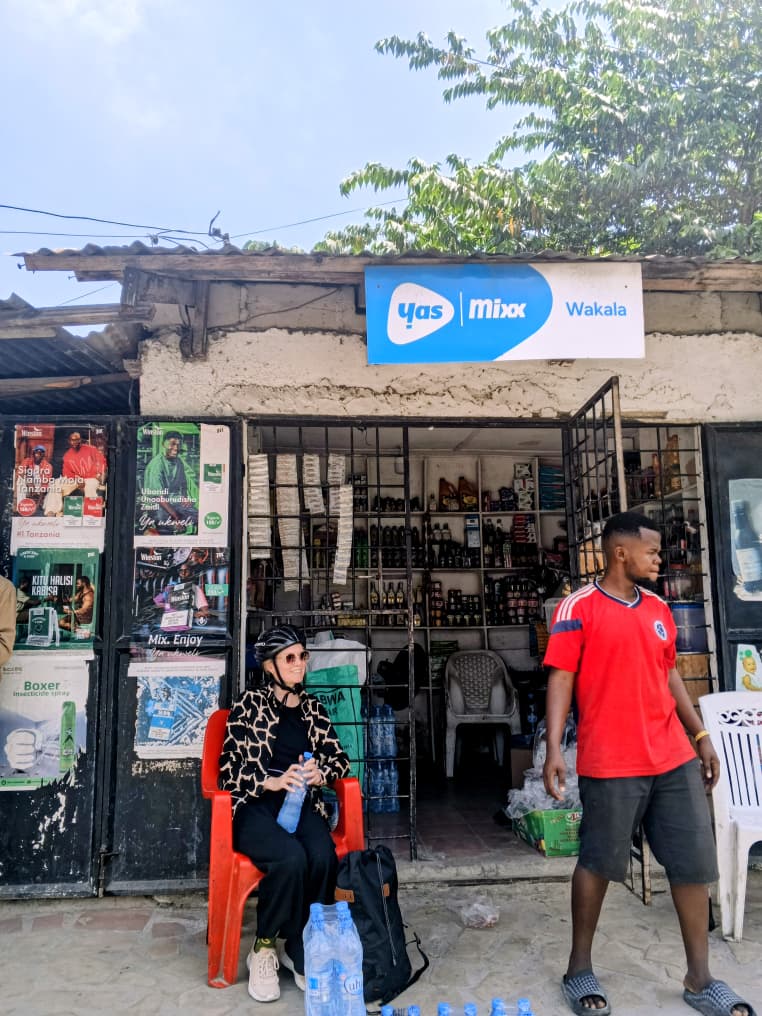
And then there is that cinema. Three movies are playing today, see the picture below. I am sure you know some of them. But this is not just a cinema. All the movies here have a voice over in Kiswahili Language. But not a literal translation as what you might think. One single person speaks the entire film in Kiswahili, narrating, summarizing and: adding a sense of humour. In order to get a good sense of the story, the assigned narrator watches the English original around eight or nine times - as the guide Ferdinand explains. After that, he knows the story by heart and narrates in in Kiswahili - making western movies accessible for the entire nation.
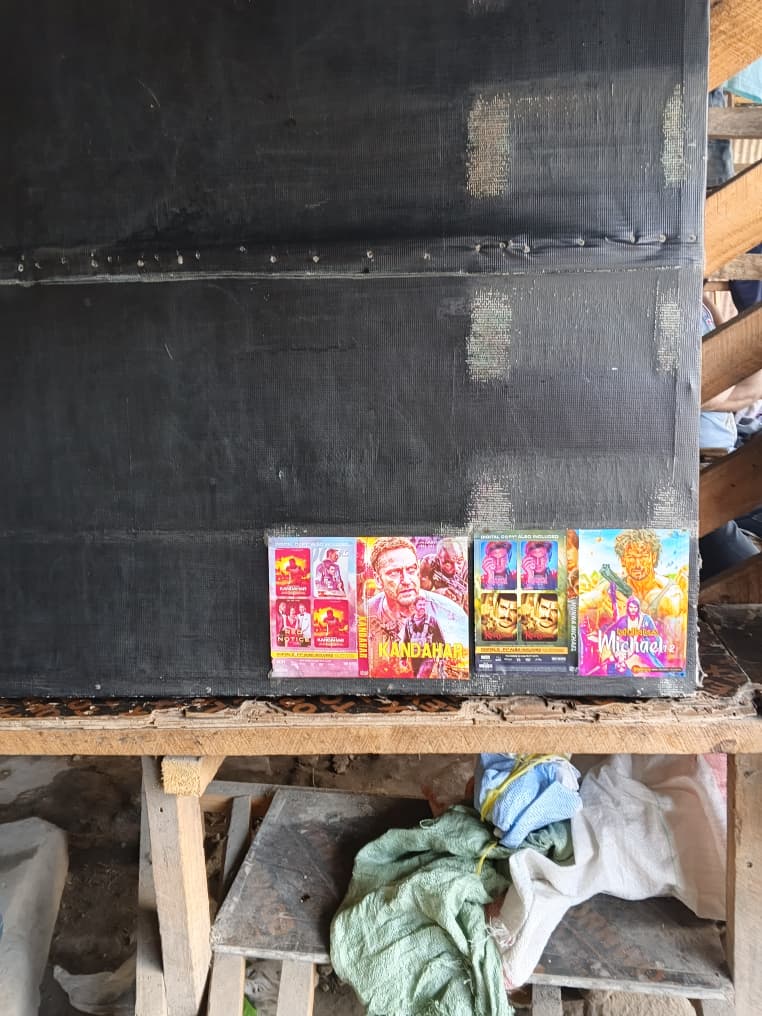
I roll out my first chapati, place it into hot oil, and watch it puff up into a golden brown. Next to me, the gas flame hisses; around me, plastic chairs, no windows, no frills. Ferdinand calls it a “ghetto restaurant.”
For the equivalent of half a dollar, you get chapati and sweet masala tea.
It may be the simplest meal in the city.
And at the same time the tastiest on my trip!
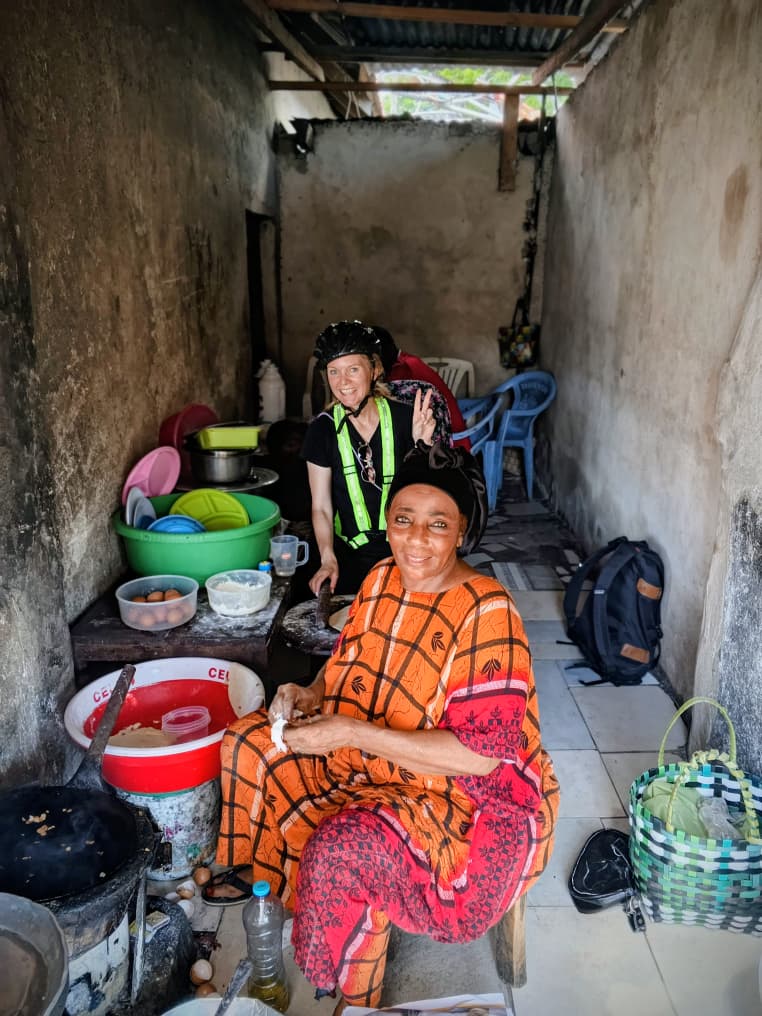
Going to Dar es Salaam? Thinking about the Reality Bike Tour? You absolutely should.
Not because my blog article isn’t great, but because it simply can’t capture everything and cannot deliver the fun it is cycling through Dar on your own! Contact Afri Roots here.